Intercultural Psychology
Understanding identity, emotions, relationships and the processes of psychological adaptation across cultures.

International education is not only about studying abroad. It is about living abroad: an experience in which people do not just change their lives, they change their identities. To support them effectively, professionals need to go beyond cultural awareness and communication skills and understand the psychological, educational and emotional dimensions of intercultural experiences.
Developed by Andrea Sebben in partnership with FPP, this professional training integrates Intercultural Psychology, Intercultural Education, Migration Studies and Mental Health into one unified approach to international education.
It was built for the people who meet international students first and stay with them longest: admissions and recruitment teams, international student advisors, student support staff and educators.

Most programs focus on cultural differences, communication styles and professional preparation. We integrate four essential dimensions into one way of understanding the international experience.
Understanding identity, emotions, relationships and the processes of psychological adaptation across cultures.
Developing the knowledge and skills to handle cultural differences and build meaningful intercultural relationships.
Understanding the interconnected experiences of those who leave, those who stay, those who receive and those who send (Migratory Polygon ©).
Recognising emotional challenges, strengthening support networks and promoting healthier processes of adaptation.
International students do not arrive at institutions only as students. They bring their identities, family expectations, emotional conflicts, cultural references, emotional needs and previous life experiences.
Their mental health flows into their adaptation, and adaptation flows back into their mental health. That, in turn, shapes not only academic performance but also their relationships, their sense of belonging and their well-being. Families, host communities, educators and institutional teams are all part of this process.
Our training helps professionals go beyond explaining cultural differences, to understand the human experience behind them.

Learn to recognise cultural and psychological dynamics at the individual and group level, understand the challenges of adaptation, anticipate relational difficulties, mediate conflicts and help build environments in which international students and their families can develop and thrive.
Because success in international education runs through intercultural education: it is not only about helping people cross borders. It is about helping them build a life, form relationships and develop a sense of belonging across cultures.
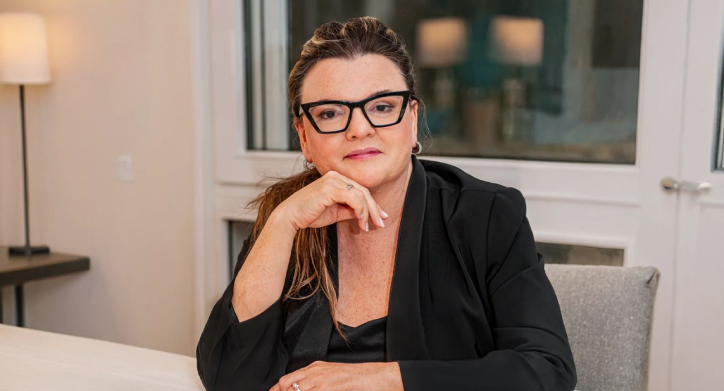
Psychologist, Master in Social Psychology and specialist in Intercultural Psychology and Education. For more than three decades she has prepared people to live, study and work across cultures, and her work starts from one conviction: to understand cultures is also to understand people.
Companies that have trusted her intercultural work

Register your interest to receive the program details, its format, the next dates and certification opportunities.
FPP + Andrea Sebben | Professional Training in Intercultural Sciences
Register your interest and receive the program details and the next dates.
Register your interest